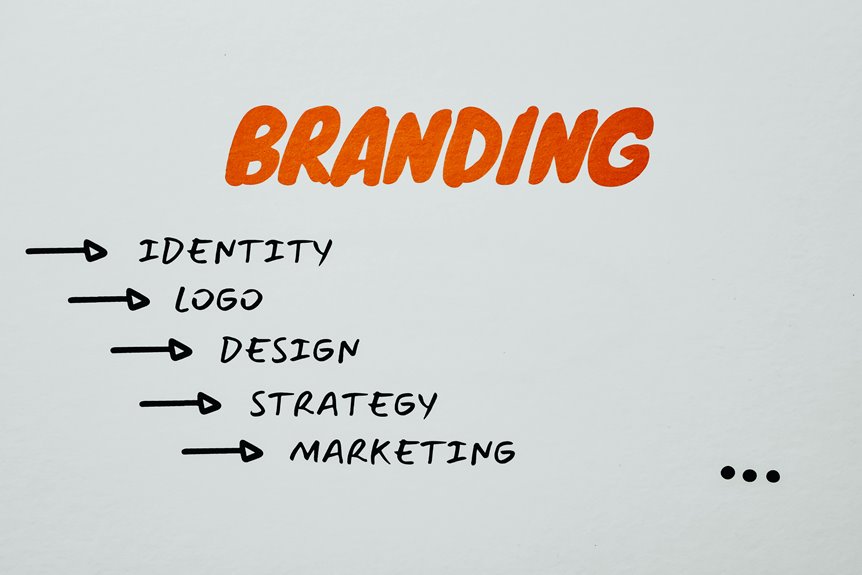
Growth-oriented branding plays a pivotal role in market expansion. It involves aligning a brand’s identity with consumer values to forge strong emotional connections. This strategic approach not only enhances recognition but also positions companies to adapt to shifting market dynamics. By exploring the principles and strategies behind effective branding, one can uncover how these elements contribute to sustainable growth and a competitive edge. The implications for businesses are significant and warrant closer examination.
Understanding Growth Oriented Branding
Understanding growth oriented branding requires an examination of how strategic brand positioning can drive market expansion.
A strong brand identity shapes customer perception, influencing not only loyalty but also market reach. By aligning brand messaging with consumer values, companies can cultivate a deeper connection, ultimately enhancing their competitive edge.


This approach empowers brands to navigate evolving markets and foster sustainable growth.
Key Principles of Effective Branding
Effective branding hinges on several key principles that collectively establish a brand’s identity and resonance in the marketplace.
A strong brand identity fosters emotional connections, enhancing consumer perception. Consistency in messaging and visual elements reinforces recognition, while authenticity builds trust.
Strategies for Market Expansion
While brands often envision expansion as a linear path, successful market penetration requires a multifaceted approach tailored to specific contexts and audiences.
Strategies should focus on deep market segmentation and harnessing consumer insights, enabling brands to resonate with diverse demographics.
Measuring the Impact of Branding on Growth
Measuring the impact of branding on growth requires a strategic framework that evaluates both qualitative and quantitative metrics.
This framework must assess brand equity and its influence on consumer perception. By analyzing customer feedback, market share, and brand loyalty, organizations can discern how branding initiatives drive expansion.
Ultimately, understanding these dynamics empowers businesses to cultivate stronger connections and enhance their market positioning.
Conclusion
In the vast ocean of commerce, growth-oriented branding serves as a lighthouse, guiding businesses through turbulent waters toward uncharted markets. By forging authentic connections with consumers, brands not only illuminate their identities but also cultivate loyalty that withstands the test of time. As companies embrace the strategic currents of branding, they harness the winds of change, propelling themselves toward sustainable growth. Ultimately, effective branding becomes the compass that directs them through the ever-evolving landscape of competition.