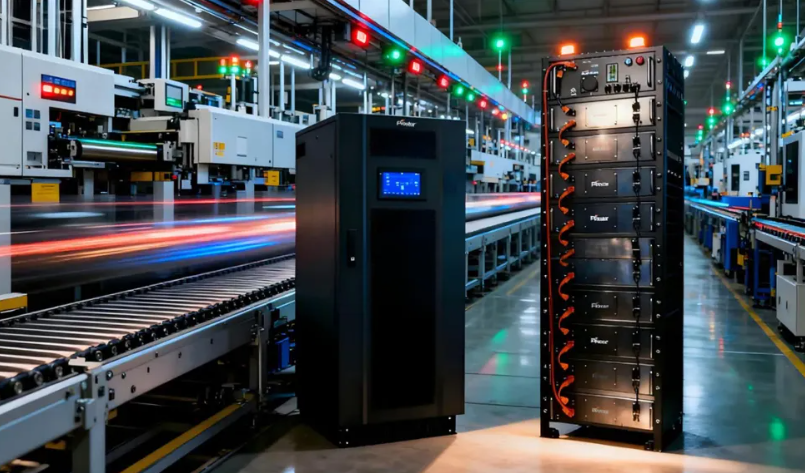
In today’s digital and power-dependent world, uninterrupted power supply systems play a critical role in protecting equipment and ensuring operational continuity. Among the various battery technologies available, UPS lithium systems are rapidly gaining popularity due to their efficiency, longevity, and advanced performance. As businesses and individuals demand smarter and more reliable backup solutions, lithium-based UPS technology is becoming the preferred choice.
This article explores what UPS lithium systems are, how they work, their advantages, applications, and why they are shaping the future of power backup solutions.
What Is a UPS Lithium System?
A UPS lithium system is an uninterruptible power supply that uses lithium-ion batteries instead of traditional lead-acid batteries. The primary purpose of any UPS is to provide immediate backup power when the main power source fails, protecting sensitive equipment from data loss, damage, or downtime.


Lithium batteries bring advanced energy storage capabilities, allowing UPS systems to be smaller, lighter, and more efficient while delivering consistent and reliable power.
See also: How Gastric Sleeve Patients Benefit From Home Health Care Services
How UPS Lithium Technology Works
UPS lithium systems function similarly to traditional UPS units but differ significantly in battery chemistry and management. When utility power is available, the system charges the lithium battery while supplying power to connected devices. During a power outage, the lithium battery instantly discharges energy through an inverter to maintain a stable power output.
A built-in battery management system (BMS) constantly monitors temperature, voltage, and charge levels. This intelligent control ensures safety, maximizes battery life, and improves overall system efficiency.
Key Advantages of UPS Lithium Systems
1. Longer Battery Lifespan
One of the most significant benefits of UPS lithium technology is its extended lifespan. Lithium batteries can last up to three times longer than traditional batteries, reducing replacement frequency and long-term costs.
2. Faster Charging Capability
UPS lithium batteries recharge much faster, making them ideal for environments with frequent power fluctuations. Faster recovery ensures the system is ready for the next outage without extended downtime.
3. Compact and Lightweight Design
Lithium batteries are smaller and lighter, allowing UPS systems to occupy less space. This makes them ideal for data centers, offices, and facilities with limited installation space.
4. Improved Energy Efficiency
UPS lithium systems offer higher energy efficiency with lower power losses. This not only saves energy but also reduces heat generation, improving system reliability.
5. Lower Maintenance Requirements
Unlike traditional batteries, lithium batteries require minimal maintenance. There is no need for frequent inspections, fluid refilling, or extensive monitoring.
Applications of UPS Lithium Systems
Data Centers
Data centers rely heavily on continuous power. UPS lithium systems provide high-density energy storage and long runtime while reducing cooling and maintenance requirements.
Medical and Healthcare Facilities
Hospitals and clinics require uninterrupted power for critical equipment. UPS lithium systems ensure stable backup power with high reliability and safety standards.
Industrial and Manufacturing Units
Machinery and automated processes depend on consistent power. UPS lithium systems prevent production losses caused by sudden outages.
Telecommunications
Network stability is essential in telecommunications. UPS lithium systems support communication infrastructure by ensuring continuous operation during power disruptions.
Commercial and Residential Use
From offices to smart homes, UPS lithium solutions are becoming popular due to their compact size, silent operation, and dependable performance.
Safety Features in UPS Lithium Systems
Modern UPS lithium systems are designed with advanced safety mechanisms. The battery management system protects against overcharging, overheating, short circuits, and deep discharge. Thermal monitoring ensures stable operation even under heavy load conditions.
These safety enhancements make lithium-based UPS systems suitable for environments where reliability and risk reduction are critical.
Environmental Benefits of UPS Lithium Technology
UPS lithium systems are more environmentally friendly compared to traditional alternatives. Their longer lifespan means fewer battery replacements, reducing waste. Additionally, lithium batteries are more energy-efficient, helping lower overall power consumption and carbon footprint.
As sustainability becomes a global priority, UPS lithium technology aligns well with eco-friendly power management goals.
Cost Considerations of UPS Lithium Systems
While the initial cost of a UPS lithium system may be higher, the total cost of ownership is often lower. Reduced maintenance, fewer replacements, and improved efficiency contribute to long-term savings. For businesses seeking reliable power solutions, lithium-based UPS systems offer excellent value over time.
Future Trends in UPS Lithium Technology
The demand for UPS lithium systems continues to grow as technology evolves. Innovations such as smart monitoring, AI-based diagnostics, and modular designs are enhancing system performance. As lithium battery technology advances, future UPS systems will become even more efficient, durable, and cost-effective.
Frequently Asked Questions (FAQs)
What makes UPS lithium better than traditional UPS systems?
UPS lithium systems offer longer battery life, faster charging, reduced maintenance, and higher energy efficiency compared to traditional battery-based UPS systems.
Is UPS lithium safe for indoor use?
Yes, modern UPS lithium systems include advanced safety features such as thermal monitoring and battery management systems, making them safe for indoor installations.
How long does a UPS lithium battery last?
On average, a UPS lithium battery can last 8 to 15 years, depending on usage and environmental conditions.
Can UPS lithium systems handle frequent power outages?
Yes, their fast recharge capability and durable battery design make them ideal for areas with frequent power interruptions.
Are UPS lithium systems suitable for small businesses?
Absolutely. Their compact size, low maintenance, and reliable performance make them suitable for businesses of all sizes.
Conclusion
The rise of UPS lithium technology marks a significant shift in the power backup industry. With longer lifespan, superior efficiency, compact design, and advanced safety features, lithium-based UPS systems provide a modern solution to today’s power challenges. Although the initial investment may be higher, the long-term benefits make UPS lithium systems a smart and future-ready choice for businesses, institutions, and individuals seeking dependable power protection.